Birth of Jesus in Bethlehem
A Thoughtful Embroidery Design for Small Business Branding
As an embroidery designer who’s created and reviewed hundreds of machine embroidery designs for small businesses—from artisanal bakeries to boutique florists and handmade pet brands—I approached Birth of Jesus in Bethlehem with both creative curiosity and commercial pragmatism. The title alone signals reverence and seasonal relevance, but for a small business owner or apparel decorator, the real question isn’t just “Does it look nice?” It’s “Will this design strengthen my brand identity while performing flawlessly on caps, aprons, patches, and tote bags?”
First Impression: Classic Elegance Meets Handmade Warmth
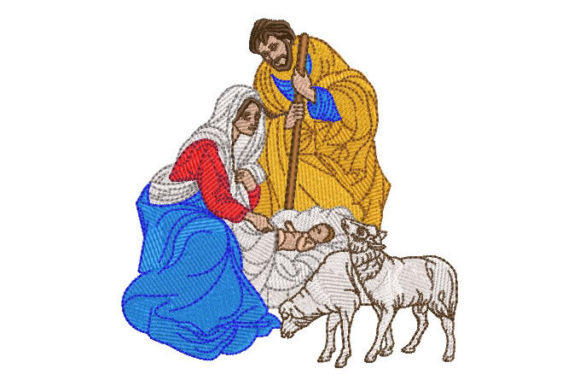
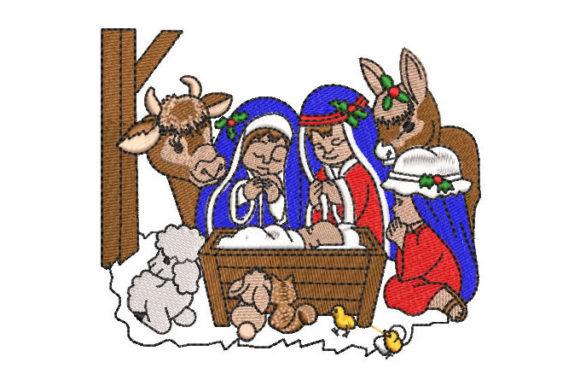
Based on its description—“Meaningful and beautifully designed, this unique Christmas embroidery will add an amazing festive touch to any fabric”—Birth of Jesus in Bethlehem reads as a classic, reverent composition rather than a playful or modern interpretation. That’s a strategic advantage for businesses seeking timeless appeal: think a local café adding embroidered aprons for holiday service, a floral studio branding gift totes for Christmas orders, or a handmade soap brand stitching subtle chest accents onto staff uniforms. It leans into elegance and sincerity—not kitsch or clutter—making it especially effective for brands that prioritize authenticity, craftsmanship, and quiet confidence.
Real-World Performance Across Merchandise Types
This machine embroidery design shines where intentionality matters most. As an embroidered patch, Birth of Jesus in Bethlehem works exceptionally well when applied to denim jackets, canvas tote bags, or woven labels on handmade product packaging. Its narrative focus invites storytelling—a perfect match for Etsy sellers who describe their process, values, and community ties in product listings.
For custom apparel, it holds up beautifully on staff aprons (especially medium-to-large front panels), work shirts (left-chest placement), and structured caps—provided the design is scaled appropriately. On tote bag design, it adds gravitas without overwhelming; unlike busy seasonal graphics, it breathes, balances, and invites pause. In boutique merchandise—think limited-run holiday gift sets or locally themed customer thank-you kits—it elevates perceived value and reinforces brand care.
It also translates well into printable mockups for client approvals, social media previews, and wholesale catalogs. Because it avoids excessive detail or ultra-thin linework, it renders clearly across digital formats and printed assets—critical when building cohesive design assets across web, packaging, and in-store displays.
Where to Use Birth of Jesus in Bethlehem With Intention
Like any thoughtful machine embroidery design, Birth of Jesus in Bethlehem isn’t universally scalable. Exercise caution on:
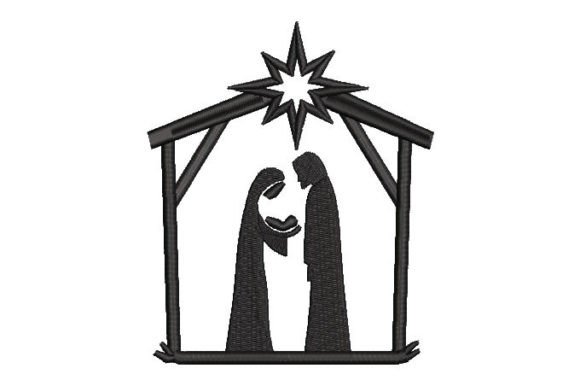
- Small patch sizes (under 2.5 inches wide)—fine details like facial features or delicate star outlines may lose clarity;
- Cap fronts with high curvature—test stitch-out density and underlay to prevent puckering;
- Textured fabrics (e.g., heavy twill, bouclé, or linen blends)—use appropriate cutaway or tear-away stabilizer to support stitch definition;
- Dark uniforms or black totes—review thread colors carefully; lighter metallics or ecru tones often enhance readability and warmth;
- Frequently washed items (like kitchen aprons or reusable bags)—confirm stitch density supports durability without stiffness.
How This Design Strengthens Your Brand Identity
For small business merch, every embroidered element is a silent ambassador. Birth of Jesus in Bethlehem doesn’t shout—it resonates. That resonance builds trust: customers recognize sincerity in restraint, professionalism in precision, and care in curation. When stitched onto a barista’s apron or a florist’s delivery tote, it quietly communicates shared values—tradition, generosity, community—without overt sales language.
Visually, it anchors consistency. Unlike trend-driven graphics that date quickly, this design supports long-term visual continuity across seasons and product lines. Pair it with neutral-toned apparel and minimalist typography in your marketing, and you reinforce a cohesive handmade product aesthetic—one that feels human-scaled, not algorithm-optimized.
From a buyer engagement standpoint, it invites connection. Shoppers on Etsy or at local markets respond to meaning—not just motif. An embroidered patch referencing Birth of Jesus in Bethlehem becomes more than decoration; it becomes part of a story they choose to carry, wear, or gift.
Practical Notes Every Embroidery Designer Should Confirm
Before committing to production—whether for your own shop or a client’s holiday launch—run these checks:
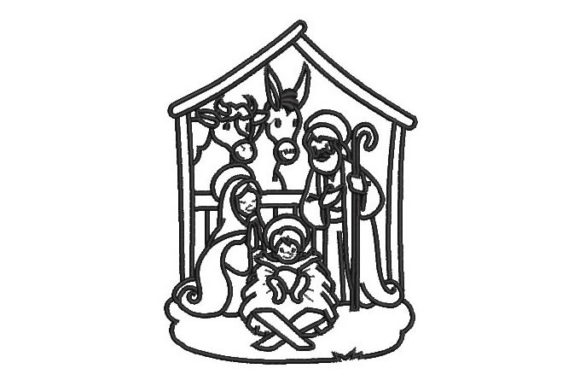
- Test the embroidery file in black and white first to assess contrast and silhouette legibility;
- Verify how Birth of Jesus in Bethlehem performs at your smallest intended patch size—does the star retain shape? Are key outlines distinct?
- Review thread color recommendations against your base fabric; adjust for contrast, not just tradition;
- Inspect spacing between elements—tight kerning or overlapping shapes can cause nesting issues during stitch-out;
- Confirm hoop size compatibility with your embroidery machines and common garment placements;
- Always test on actual fabric—not just stabilizer—especially for stretchy or napped textiles;
- Use the correct stabilizer for fabric weight and stitch density; lightweight cutaway prevents shifting on knits;
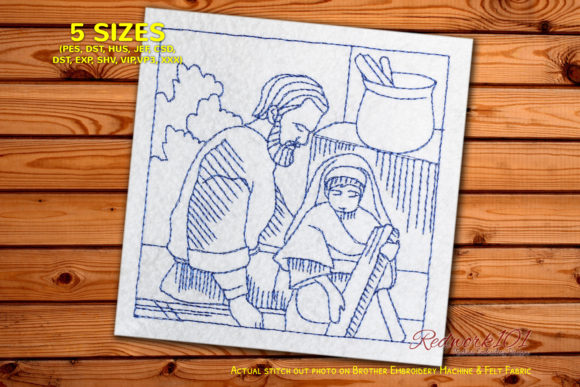
- Create a physical or high-res printable mockup for client sign-off before bulk digitizing;
- Compare Birth of Jesus in Bethlehem beside your other design assets—is it tonally aligned? Does it scale consistently?
- Confirm commercial licensing applies to your use case—especially for resale, branded merchandise, or wholesale distribution.
Remember: “This machine embroidery design comes with multiple embroidery file formats and can…” means flexibility—but only if you verify compatibility, test thoroughly, and align execution with your brand’s voice and values.
When used intentionally, Birth of Jesus in Bethlehem does more than decorate—it dignifies. For small business owners building something meaningful, that distinction isn’t subtle. It’s essential.