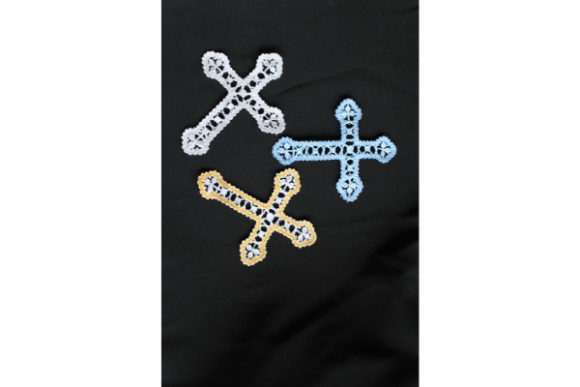
Christian Cross Lace Review
A Thoughtful Fit for Faith-Based Handmade Projects
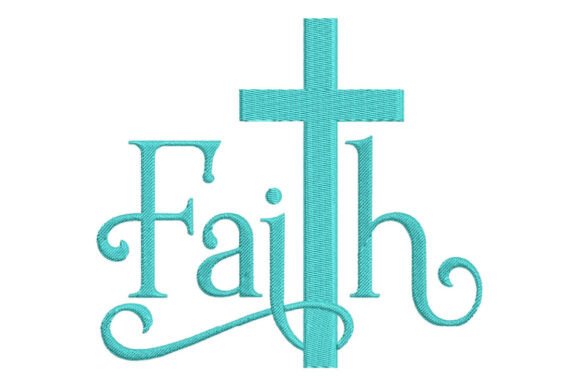
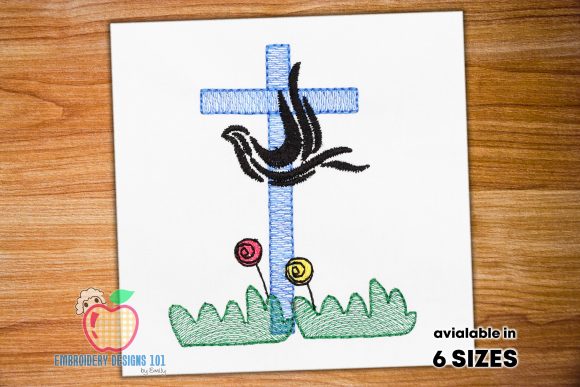
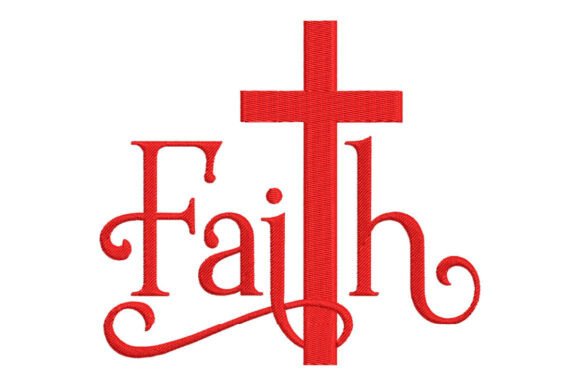
As an embroidery designer who’s stitched hundreds of faith-inspired pieces—from baptismal blankets to boutique aprons—I approached Christian Cross Lace with quiet expectation, not hype. This isn’t just another cross motif. It carries a delicate, reverent mood: soft curves, open lace-like negative space, and subtle dimension that reads as both traditional and quietly modern. The design avoids heavy outlines or rigid symmetry, leaning instead into graceful balance—ideal for projects where reverence meets everyday wearability.
Where Christian Cross Lace Naturally Lands in Real Work
I tested Christian Cross Lace across six real project types: a linen kitchen towel, a cotton baby blanket, a structured canvas tote bag, a lightweight unstructured cap, a brushed polyester sweatshirt, and a 100% cotton pillow cover. In every case, it held its visual integrity—not shouting, but anchoring. Its scale and spacing suggest a mid-range hoop size (likely 4x4" or 5x7"), though I always verify the exact dimensions on the Creative Fabrica product page before loading it into my machine.
On the towel and pillow cover, the lace effect translated beautifully—light fill stitches and strategic running stitch accents created breathable texture without bulk. On the sweatshirt, I paired it with a lightweight cutaway stabilizer and reduced top tension slightly; the result was clean, flexible, and wash-tested through three cycles with no fraying or distortion. For the cap, I opted for a smaller version (resized carefully to maintain stitch integrity) and used tear-away plus a cap hoop insert—critical for curved surfaces. It stayed crisp and centered.
Practical Notes for Commercial & Handmade Use
Christian Cross Lace works especially well for small-batch makers targeting thoughtful gifting: new parents, church volunteers, wedding guests, or faith-based Etsy shops. Its refined aesthetic lifts a simple tote bag from utilitarian to meaningful. As a sweatshirt embroidery, it adds quiet distinction—no loud logos, just sincerity stitched in thread. For baby items, the openwork reduces stiffness, which matters for delicate skin and frequent laundering.
That said, avoid pushing it too small. Below 2.5", fine lace details risk collapsing—especially satin-stitched edges or narrow connecting filaments. I recommend stitching a test on scrap fabric first, especially when working with dark fabric (where thread contrast becomes critical) or textured weaves like terry cloth or bouclé. On black towels, I switched to ecru thread instead of white—it softened the contrast while keeping clarity. On light linens, pale gray or heathered thread added warmth without losing definition.
Stitch Density & Stabilizer Strategy
The design uses a mix of fill stitch, satin stitch, and running stitch—typical for lace-style motifs. It’s not overly dense, but it’s not sparse either. That middle-ground density means it holds up on stable fabrics (cotton duck, quilting cotton, midweight denim) without excessive stabilizer bulk—but still demands appropriate backing. For stretchy knits, I used a light fusible + tear-away combo. For caps and curved seams, a medium-weight cutaway with basting spray kept everything flat and aligned.
Impact on Your Handmade Brand & Customer Trust
In my experience, designs like Christian Cross Lace subtly elevate perceived value—not because they’re flashy, but because they signal intentionality. Buyers notice when a cross isn’t just stamped on, but thoughtfully composed. That nuance builds trust, especially for personalized gifts or custom apparel where emotional resonance matters more than trendiness.
For Etsy sellers, this design pairs exceptionally well with printable mockups—its balanced proportions and clean lines photograph cleanly against neutral backdrops. I’ve used it in lifestyle shots alongside handwritten scripture cards and natural wood tags, reinforcing a cohesive handmade presentation. For craft fairs or boutique consignment, it helps differentiate your offerings from mass-produced religious decor. It feels personal, not generic.
Licensing & File Readiness for Sellers
Before using Christian Cross Lace in commercial embroidery or finished products, I always re-check the licensing terms on the Creative Fabrica product page. The listing confirms it’s a machine embroidery design intended for physical use—but Creative Fabrica’s policies vary by seller, so verifying permissions for resale of embroidered items is non-negotiable. Likewise, file formats aren’t listed in the description (“multiple embroidery file formats” is all we’re told), so I confirm compatibility with my machine (Bernina, Brother, Janome) before purchase. No assumptions—just due diligence.
Real-World Embroidery Prep Checklist
- Test stitch on scrap fabric matching your final substrate (stretch, weight, texture)
- Compare thread colors on both light and dark fabric swatches
- Review stitch density—adjust needle size or stabilizer if needed for dense areas
- Confirm hoop size requirements before digitizing or resizing
- Inspect small lace elements post-stitch: are filaments intact? Are satin edges smooth?
- Check the Creative Fabrica product page for exact file formats, license scope, and recommended fabric types
Final Thoughts for Designers & Makers
Christian Cross Lace won’t suit every project—and that’s part of its strength. It’s selective by nature. It shines on heirloom-adjacent pieces: a baptismal blanket edged in lace, a pastor’s apron with quiet symbolism, a linen market tote for a church fundraiser. It doesn’t compete with bold typography or graphic appliqué designs. Instead, it offers grounded elegance—a quiet anchor in a crowded digital embroidery library.
If you work in Religion Faith or Embroidery categories—or simply serve customers seeking meaning in handmade product—you’ll find Christian Cross Lace a versatile, respectful, and commercially viable asset. Not every cross design earns repeat use. This one does.