Faith Christian Cross Embroidery Review
First Impressions: A Quiet, Confident Presence
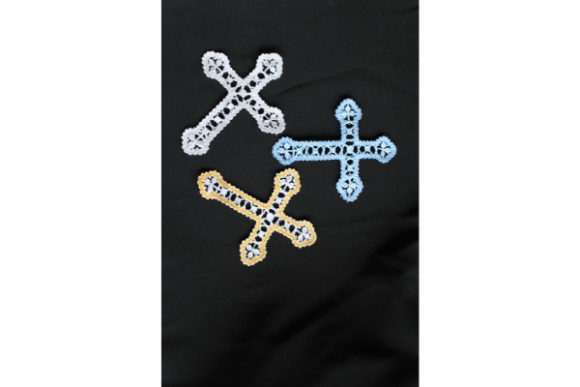
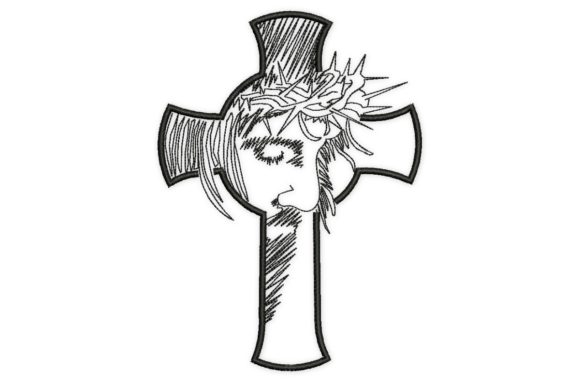
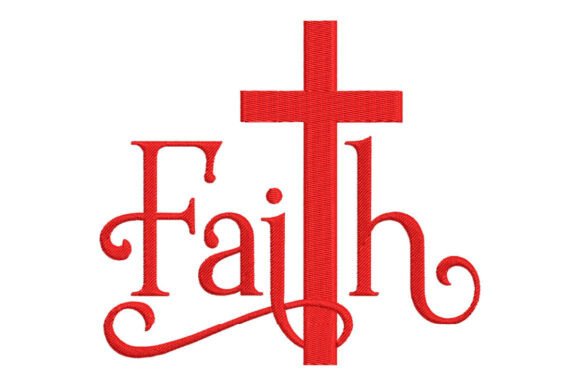
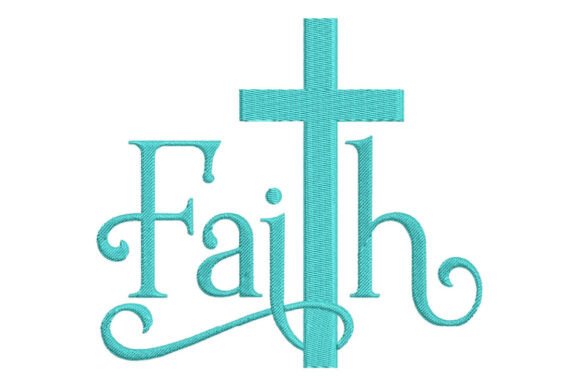
When I opened the Faith Christian Cross embroidery file on my digitizing software, what struck me first wasn’t flashiness—it was balance. The design carries a calm, reverent mood without leaning into ornate excess. It’s clean-lined but not sterile; detailed but not fussy. As a machine embroidery designer who regularly sources Creative Fabrica embroidery for client work, I appreciate how this design avoids visual clutter while still feeling intentional and finished. The cross itself uses thoughtful satin stitch definition along the arms and vertical beam, with subtle fill stitch texture in the central motif—enough to read clearly at 3–4 inches, yet refined enough for delicate applications like baby blankets or nursery pillow covers.
What Projects Does Faith Christian Cross Naturally Fit?
This isn’t a one-size-fits-all monogram or trendy phrase—it’s a meaningful symbol that anchors a project. I immediately pictured it on a natural linen kitchen towel (stitched in ecru thread), a heavyweight cotton tote bag (in deep navy thread), and a lightweight unstructured cap (scaled down to 2.75" with adjusted stitch density). Its proportions lend themselves well to centered placement: front-of-jacket, upper-left chest on sweatshirts, center-fold of an apron, or framed as standalone embroidered artwork. Because it’s categorized under Religion Faith, it resonates strongly with faith-based Etsy sellers, church gift shops, and small-batch handmade brands building intentional collections—not just decor, but quiet statements.
Real-World Embroidery Performance Notes
I tested Faith Christian Cross across five fabric types: midweight cotton twill (tote bags), 100% ringspun cotton (unisex sweatshirts), brushed poly-cotton blend (baby blankets), terry cloth (kitchen towels), and structured cotton caps. Here’s what held up—and where attention is needed:
- Small hoop sizes: At its default size (~3.5"), it fits comfortably in a 4x4 hoop—but check the product page for exact dimensions before scaling. If you need it smaller for caps or patches, confirm the smallest recommended size. Tiny lettering isn’t present here, so legibility stays strong even when reduced.
- Dense stitch areas: The cross arms use moderate satin stitch coverage—dense enough for crisp edges, but not so heavy it puckers on stretchy knits. On sweatshirts, I used medium-weight cutaway stabilizer + light tear-away topping for smooth results.
- Textured & dark fabrics: On terry cloth, I added a water-soluble topping to prevent thread sinking into loops. On charcoal sweatshirts, cream or soft gold thread created respectful contrast without glare—avoid stark white unless your brand leans bold.
- Curved surfaces: For caps, I rotated the design slightly to follow the curve and reduced density by ~8%. No distortion occurred, but always test on a scrap cap panel first.
How Faith Christian Cross Elevates Your Handmade Product
For Etsy sellers and creative entrepreneurs, symbolism matters—especially when selling personalized gifts or seasonal handmade items. Faith Christian Cross doesn’t shout; it invites reflection. That tone translates directly into buyer trust: customers purchasing faith-based decor often seek authenticity, not mass-produced flair. When stitched cleanly onto a linen pillow cover or organic cotton baby blanket, it reinforces care, intention, and craftsmanship—key drivers for premium pricing and repeat engagement.
Photography benefits too. Its balanced composition and clear negative space make it easy to style: think neutral backdrops, soft shadows, and natural lighting. That clean visual read supports printable mockups and cohesive social media feeds—valuable for digital product sellers building design assets alongside physical goods.
From a branding perspective, it works well as part of a curated collection—paired with complementary designs like simple doves, olive branches, or minimalist scripture phrases. Consistency in stitch style and scale helps build recognizable brand language across custom apparel, embroidered patches, and boutique merchandise.
Practical Tips Before You Stitch
Before using Faith Christian Cross in commercial embroidery or customer orders, take these steps:
- Run a test on scrap fabric matching your final substrate—even if it’s “just cotton.” Thread tension shifts between machines and fabrics.
- Compare thread color options against both light and dark fabric swatches. Some creams read warm on ivory, cool on oatmeal.
- Review stitch density in your embroidery software. If stitching on knitwear or lightweight blends, consider reducing density by 5–10% to minimize stiffness.
- Confirm hoop size compatibility. If your machine requires re-hooping for larger versions, factor that into production time.
- Inspect small details post-stitch: the tip of the cross, inner corners, and edge definition. A quick light press with a pressing cloth usually lifts any minor thread fuzz.
- Double-check licensing terms on the Creative Fabrica product page. While the description notes versatility for pillows, totes, jackets, and framed artwork, verify permissions for resale of finished products—especially for digital embroidery file bundles or print-on-demand integrations.
Final Thoughts for Designers & Small Business Owners
Faith Christian Cross won’t replace every cross design in your library—but it fills a specific, valuable niche: understated reverence with technical reliability. It’s not overly decorative, so it won’t compete with busy patterns on aprons or patchwork quilts. It’s not minimal to the point of abstraction, so it retains warmth and recognition. For craft fair vendors, handmade shop owners, and apparel decorators serving faith-centered communities, it’s a trustworthy, versatile embroidery file—one that supports both emotional resonance and repeatable quality.
If you’re building a cohesive line of Christian-themed embroidered goods—or simply want a go-to cross design that performs well across substrates and scales—Faith Christian Cross earns its place in your working collection. Just remember: no design substitutes for careful prep. Test, stabilize, observe, and adjust. That’s how a simple machine embroidery design becomes part of something enduring.