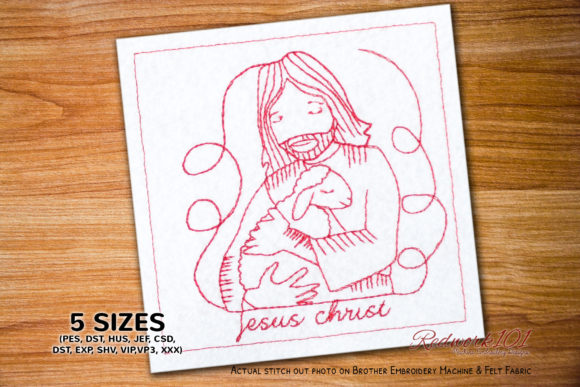
Jesus Christ Design Review
A Thoughtful First Impression for Boutique Apparel
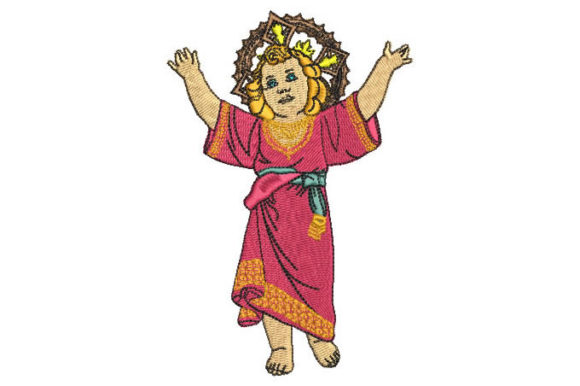
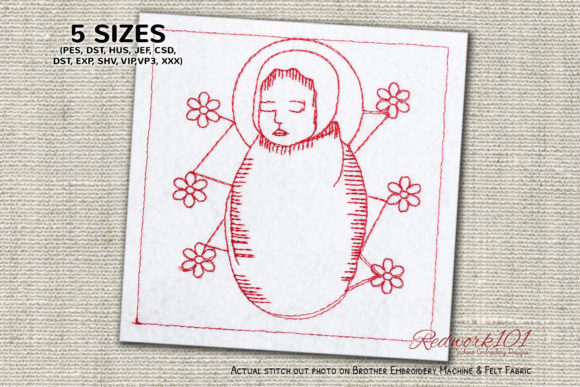
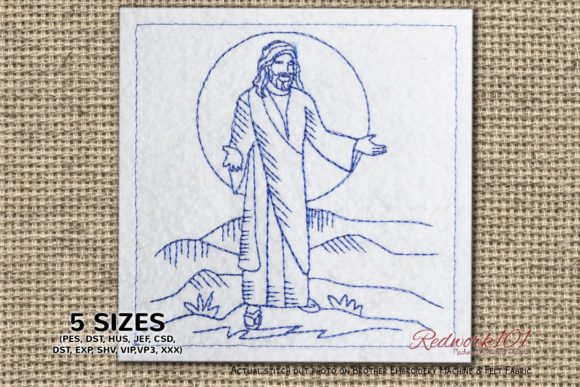
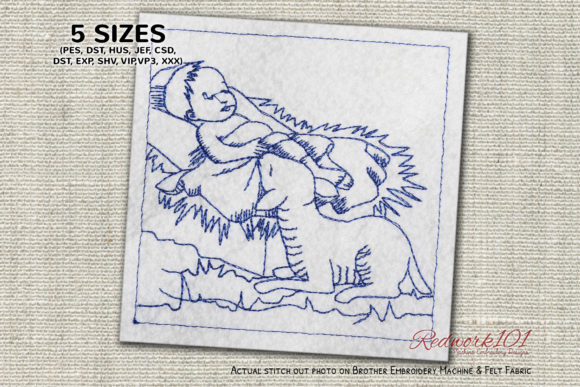
As an embroidery designer who’s developed over 200+ collections for small clothing brands and Etsy sellers, I opened the Jesus Christ Design on Creative Fabrica with clear intent: could this work as a meaningful, market-ready piece for a curated holiday apparel line? Visually, it carries quiet reverence—not ornate or flashy, but grounded in clean line work and intentional spacing. The Box Stitch framing (noted as optional in the product description) adds subtle structure without overwhelming the central motif. It feels classic, not trendy; sincere, not saccharine. That distinction matters deeply when embroidering for boutique brands where tone, texture, and intention shape customer trust.
How It Performs Across Real Apparel Surfaces
This Creative Fabrica embroidery design holds up remarkably well across varied garment types—especially when placed intentionally. On neutral sweatshirts (heather grey, oatmeal, soft black), the stitch definition remains crisp, even at chest placement. For oversized hoodies, I tested it centered just below the collarbone: the scale reads confidently without pulling fabric or distorting drape. On pastel hoodies—think blush, mint, or lavender—the contrast with standard white or ecru thread creates gentle warmth, ideal for lifestyle-focused listings.
For dark garments, I recommend checking thread color contrast before stitching. A deep navy or charcoal hoodie benefits from off-white or light tan thread rather than stark white—this softens visual weight while preserving legibility. On ribbed fabric (like many premium sweatshirt cuffs or hems), avoid placing dense stitch areas directly over high-relief ribs unless you’ve stabilized aggressively. The Jesus Christ Design’s balanced stitch density helps here—it’s not overly heavy, so it adapts better than ultra-dense religious motifs I’ve seen.
Sleeve accents? Yes—but only on flat, non-stretch panels (e.g., upper bicep of a relaxed-fit hoodie). Avoid curved seams or stretchy knit sleeves unless you use cutaway stabilizer and reduce top tension. As a back design on a full-zip hoodie? Absolutely. Its centered symmetry reads cleanly at 4–5 inches wide, and the optional Box Stitch frame gives natural visual containment—no need for extra borders in your mockups.
Where to Use It—and Where to Pause
The Jesus Christ Design shines on stable, medium-weight fabrics: fleece-lined cotton blends, midweight French terry, structured denim jackets, and sturdy canvas tote bags. It performs less predictably on ultra-stretchy performance knits or lightweight poly-blend tees unless you pre-test with tear-away + light cutaway stabilizer. Tiny lettering isn’t present here—so no concerns about legibility loss at small sizes—but do confirm hoop size compatibility before digitizing for production. If your machine requires 4x4” or larger, check the file’s actual dimensions in the Creative Fabrica preview.
Curved surfaces (like rounded tote bag bases or tapered jacket yokes) demand careful hooping. I suggest using adhesive stabilizer + light spray to prevent shifting. Also: always test on scrap fabric that matches your final garment’s weight, texture, and finish—not just generic cotton muslin. Fleece backing behaves differently than smooth cotton twill, and that difference shows in stitch lay and thread tension.
Brand Value, Trust, and Visual Consistency
For small shop owners building a cohesive holiday collection, this machine embroidery design supports brand identity without dictating it. It doesn’t scream “Christmas”—it whispers reverence, making it viable beyond December if styled thoughtfully (e.g., paired with minimalist typography or earth-toned packaging). That flexibility increases lifetime value per design. Buyers recognize authenticity in execution: clean edges, balanced fill areas, and thoughtful negative space all signal professional craftsmanship—not DIY haste.
When used across multiple products (tote bags, unisex tees, cozy lounge sets), the Jesus Christ Design becomes a quiet anchor in your visual language. Customers begin associating its calm presence with your boutique’s ethos—thoughtful, handmade, respectful of both craft and meaning. That builds recognition faster than chasing viral trends. On Etsy listings, pairing it with warm, natural-light photos (not studio white) and real-wear mockups boosts perceived quality and conversion.
Practical Designer Notes Before You Stitch
- Test on scrap fabric that mirrors your final garment’s composition, weight, and stretch.
- Confirm stabilizer choice: medium-weight cutaway works best for sweatshirt embroidery; tear-away suffices for stable cotton tees.
- Review thread color contrast—especially on dark or heathered apparel. Slight tonal shifts (e.g., cream instead of white) elevate finished product polish.
- Inspect stitch density visually in the design preview. This embroidery file avoids excessive underlay, reducing bulk on cozy layers.
- Compare placement options: chest, sleeve, back, or lower front hem—each changes how the design interacts with garment movement and fit.
- Double-check Creative Fabrica product details: licensing terms, included formats (PES, DST, JEF, etc.), and whether the Box Stitch frame is truly optional—or built into certain versions.
Final Thoughts for Small Creative Businesses
If you’re curating a small-batch holiday collection for a handmade product line—or launching your first commercial embroidery range—the Jesus Christ Design offers rare balance: spiritual resonance without visual clutter, seasonal relevance without expiration, and design integrity that scales across apparel types. It doesn’t shout. It settles in. And in today’s saturated digital marketplace, that kind of quiet confidence is exactly what builds lasting customer connection.
Whether you're an Etsy seller refining your holiday capsule, a local embroidery shop sourcing reliable files for custom apparel orders, or a creative entrepreneur building a boutique brand around meaning and craft—this digital embroidery file earns its place in your library. Just remember: every great embroidered product starts with intention—not just thread and tension. Test wisely, stabilize honestly, and let the design speak through your execution.