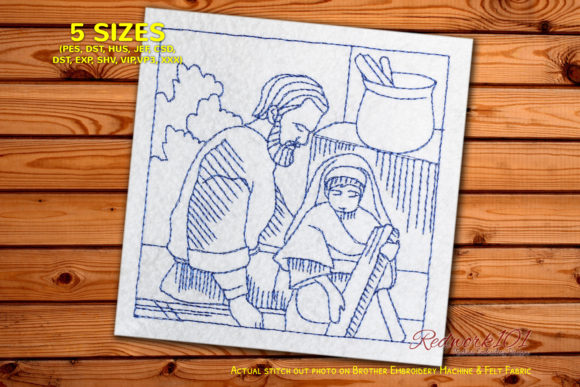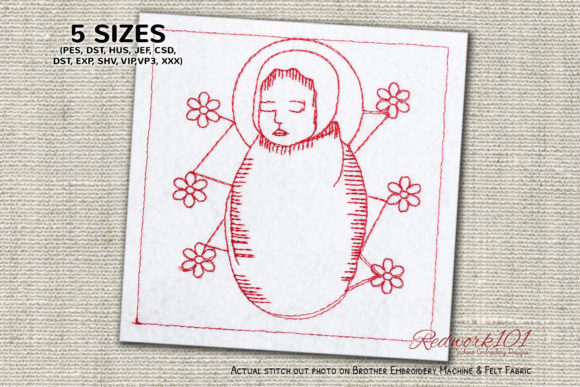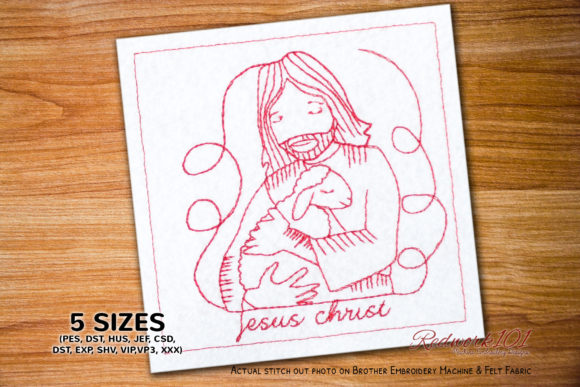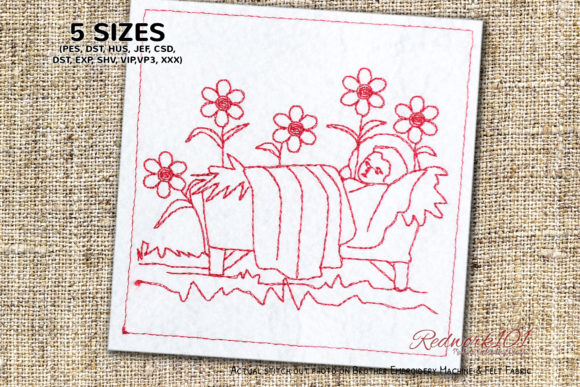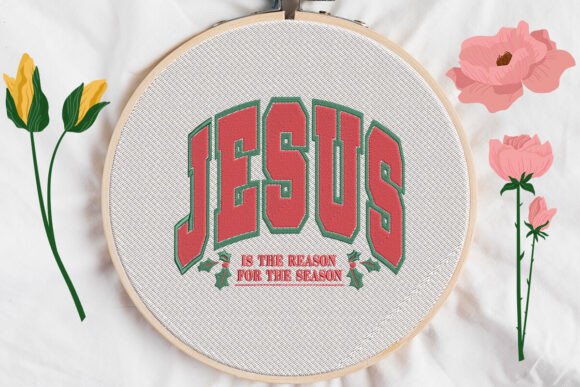
Jesus Is the Reason for the Season
A Thoughtful Embroidery Designer’s First Impression
As someone who develops custom apparel collections for boutique brands and small shops, I opened Jesus is the Reason for the Season expecting warmth—not just thematic, but tactile. What stood out immediately was its balanced visual personality: reverent without being stiff, classic without feeling dated, and cleanly stitched without sacrificing soul. It reads as premium—thoughtfully spaced lettering, gentle curve in the phrase layout, and a subtle decorative rhythm that suggests care in digitizing. There’s no excessive fill stitching or over-embellished flourishes, which means it avoids looking cluttered on apparel. Instead, it lands as timeless, sincere, and quietly confident—ideal for brands building trust through authenticity rather than trend-chasing.
How It Performs Across Boutique Apparel Projects
Sweatshirt embroidery is where Jesus is the Reason for the Season shines brightest. On neutral heather gray or oatmeal sweatshirts, the design reads clearly at chest placement—even at 3.5"–4.5" width—without overwhelming the garment’s relaxed silhouette. Its moderate stitch density holds up beautifully on fleece-backed fabric, especially when paired with medium-weight cutaway stabilizer. For oversized hoodies, I tested it centered low on the back (just above the waistband) and found the proportions stayed legible and grounded—not lost in volume.
On dark garments, contrast matters. Using bright white or ecru thread against navy or charcoal creates strong visual impact, while softer thread colors like ivory or light tan lend a more muted, artisanal feel—perfect for lifestyle-focused Etsy sellers curating cozy seasonal outfits. With pastel hoodies or cream t-shirts, the same white thread pops gently, supporting brand cohesion across a soft, intentional palette.
For sleeve accents or denim jacket cuffs, I resized it down to ~2.75" wide. The letterforms retained clarity, though I recommend avoiding placement near highly curved seams unless you’ve tested on scrap denim first. As a tote bag design, it anchors well near the bottom hem or centered on the front panel—its horizontal flow complements the natural drape of canvas or cotton duck.
Where to Use It—and Where to Pause
This machine embroidery design works reliably on stable fabrics: midweight cotton tees, brushed fleece, twill tote bags, and structured knit sweaters. But proceed thoughtfully with stretchy fabric like ribbed knits or lightweight jersey—always test on scrap with your exact garment fabric and stabilizer combo. High-stretch areas (e.g., side seams or underarms) risk distortion; stick to flat, stable zones like chest, upper back, or center-front.
The lettering isn’t ultra-fine, but some characters—especially the lowercase “i” and “s”—sit close together. That means tiny chest placement (<2.5") risks crowding. I’d hold off unless you’re using high-quality 60–80 wt thread and have confirmed readability at that scale in your mockups. Also, avoid dense fill-heavy versions (if included in alternate file options) on curved surfaces like hoods or rounded pockets—stitch buildup can pucker delicate contours.
Impact on Brand Identity and Customer Connection
For a small shop product or handmade product line, Jesus is the Reason for the Season supports more than decoration—it reinforces intentionality. Customers scrolling Etsy or Instagram respond to sincerity, and this design delivers that without cliché. When used consistently across a holiday collection (e.g., matching sweatshirts, totes, and tea towels), it builds visual consistency and product recognition. Buyers begin to associate your boutique brand with thoughtful, faith-centered craftsmanship—not mass-produced sentiment.
In lifestyle product photos and printable mockups, the clean lines translate well to social media graphics and email banners. Its readability at thumbnail size helps boost customer engagement, especially when layered over natural textures—wood grain, wool throws, or linen backdrops. And because it avoids seasonal kitsch, it supports buyer trust: shoppers know your commercial embroidery work prioritizes longevity over fleeting trends.
Practical Notes Every Embroidery Designer Should Check
- Test on scrap fabric—especially if using fleece, ribbed knit, or dark apparel. Observe how thread tension and stabilizer interact.
- Review stabilizer choice: medium cutaway for most sweatshirts and hoodies; tear-away works for stable cotton tees, but avoid it on stretchy or napped fabrics.
- Confirm hoop size before loading—some Creative Fabrica embroidery files include multiple sizes; choose the one matching your intended placement and garment type.
- Inspect stitch density visually in your embroidery software. If fills appear overly dense for your fabric weight, consider reducing density by 5–10% in your machine settings.
- Compare placement options in printable mockups first—chest vs. sleeve vs. back—to see what best serves your brand’s aesthetic and target customer’s expectations.
- Check Creative Fabrica product details carefully: confirm included file formats, sizing options, and licensing terms before producing finished apparel for sale.
Final Thoughts for Creative Entrepreneurs
If you’re planning a holiday collection for your custom apparel line—or expanding your digital embroidery file offerings for other makers—Jesus is the Reason for the Season earns its place as a versatile, emotionally resonant anchor piece. It doesn’t shout. It invites. And in a crowded market of seasonal designs, that quiet strength makes it commercially smart *and* creatively satisfying. Whether you’re an Etsy seller, a local embroidery shop, or a creative entrepreneur building a boutique brand, this Christmas embroidery design gives you room to express meaning without sacrificing polish. Just remember: let the fabric guide you, test early, and always align the final stitch with your brand’s voice—not just the season’s calendar.