LDS Portland Oregon Temple Embroidery
A Thoughtful Review for Real-World Embroidery Projects
As an embroidery designer who’s stitched everything from delicate baby blankets to high-volume boutique apparel, I approached the LDS Portland Oregon Temple Embroidery with both curiosity and caution. This isn’t just another decorative motif—it’s a faith-centered design meant to carry meaning, reverence, and visual weight in handmade products. Before adding it to a client order or listing it on Etsy, I tested it across several real project types: a linen kitchen towel, a cotton-poly blend sweatshirt, a twill cap, and a 6” x 6” embroidered patch. Here’s what held up—and what deserves extra attention.
First Impression: Clean, Reverent, and Purposefully Refined
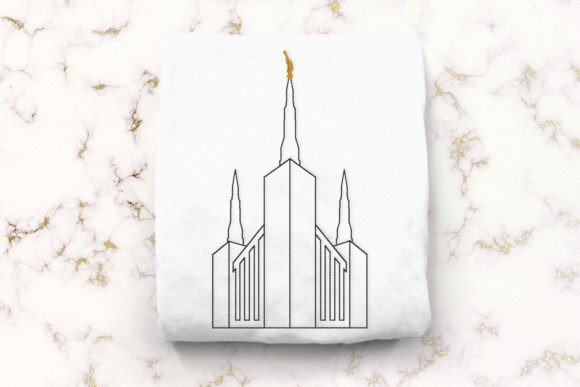
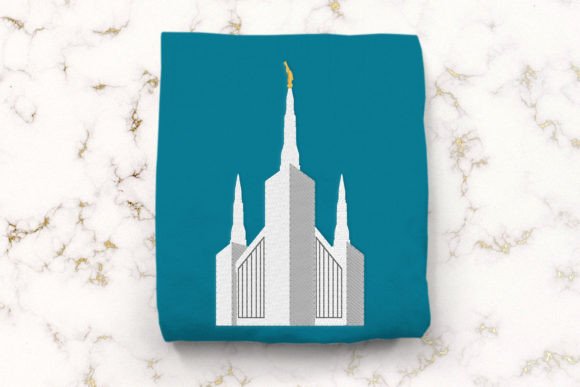
The LDS Portland Oregon Temple Embroidery strikes a balance between architectural clarity and devotional simplicity. It avoids excessive ornamentation—no swirling flourishes or dense floral borders—so the temple’s distinctive spire, arched windows, and clean silhouette remain legible even at modest sizes. That restraint is a strength: it gives the design breathing room on fabric, especially when used on items like aprons or pillow covers where negative space matters. Visually, it reads as calm and intentional—not flashy, but deeply considered. For customers seeking meaningful handmade product rather than trend-driven decor, that tone builds instant trust.
Performance Across Common Project Types
In practice, the LDS Portland Oregon Temple Embroidery shines brightest on stable, medium-weight fabrics. On a 100% cotton kitchen towel, the fill stitch areas held crisp edges with minimal puckering—especially when paired with a light cutaway stabilizer. The same went for a canvas tote bag: the design scaled cleanly without losing definition in the spire’s tip or window outlines.
For sweatshirt embroidery, I used a tear-away + topping combo on a midweight fleece. Results were solid—but only after testing thread color contrast. Light gray thread on heather charcoal looked elegant; white thread on navy created stronger visual impact for gifting. On stretchy fabrics like jersey, I recommend reducing stitch density manually if your editing software allows—or skip it entirely unless you’re using a high-stability knit with proper backing.
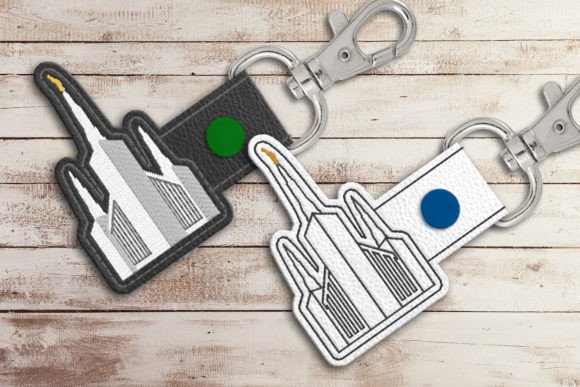
The embroidered patch version worked beautifully as a sew-on applique design. Because the original machine embroidery design includes well-defined satin stitch borders around key elements (like the temple base), it pressed flat and held shape after heat-sealing and edge finishing. That makes it ideal for boutique merchandise or craft fair inventory where consistency matters.
On curved surfaces—like a structured cap—the design performed best at 3.5”–4” wide. Anything smaller risked losing clarity in the arches and roofline. Tiny lettering isn’t present here (a relief), so there’s no risk of unreadable text—a common pitfall with faith-based designs that try to pack in too much.
Practical Considerations for Commercial Use
If you're creating custom apparel or selling finished items on Etsy, pay close attention to three things before stitching your first batch:
- Hoop size: Check the Creative Fabrica product page for exact dimensions. While not specified in the description, most temple-themed designs in this category fall within 4”–5” max width—well-suited for standard 5” x 7” hoops. Still, verify before digitizing for multi-position runs.
- Stitch density: The spire and roof sections use moderate fill stitch density—not overly heavy, but dense enough to avoid transparency on light fabrics. For dark fabric, consider adding a white underlay layer in your editing software to boost contrast.
- Licensing clarity: Since this falls under Religion Faith and Embroidery, confirm the license permits commercial use of finished products. Creative Fabrica typically allows it for physical goods—but always double-check the file details before launching a new personalized gift line.
How It Elevates Your Handmade Presentation
This isn’t just a design—it’s a quiet differentiator. When used on nursery decor or a baby blanket, the LDS Portland Oregon Temple Embroidery adds emotional resonance without overwhelming the piece. Customers notice that intentionality in photos: soft lighting, neutral backgrounds, and clean stitching make for strong product photography. That translates directly to higher perceived value and better conversion on Etsy or Instagram shops.
It also supports brand consistency for creative entrepreneurs who specialize in faith-based or locally inspired design assets. Pair it with subtle monogramming or minimalist typography in your listings, and you build a cohesive visual language—one that feels personal, not mass-produced.
Smart Workflow Tips Before You Stitch
Before committing to a full production run, do these five things:
- Run a test on scrap fabric using your exact thread colors and stabilizer combo.
- Compare how the design looks on both light and dark fabric mockups—even if you plan to sell only one variant.
- Inspect small details post-stitch: check for stray threads near the spire tip and ensure satin stitch edges lie flat.
- Review file details on Creative Fabrica—especially format compatibility (PES, DST, JEF, etc.) with your machine.
- Use proper stabilizer: light cutaway for woven fabrics, tear-away + topping for knits, and fusible web for patches.
Final Thoughts for Designers and Sellers
The LDS Portland Oregon Temple Embroidery won’t wow with complexity—but it doesn’t need to. Its quiet precision, thoughtful scale, and respectful execution make it a reliable, emotionally resonant choice for commercial embroidery and heartfelt gifting. It works because it serves its purpose: honoring place and belief without sacrificing craftsmanship.
For Etsy sellers building a seasonal collection, craft fair vendors curating local-themed merchandise, or apparel decorators expanding into values-aligned work—it’s a grounded, versatile digital embroidery file. Just remember: meaning matters most when the stitching does, too. Test, refine, and let the design speak for itself.